
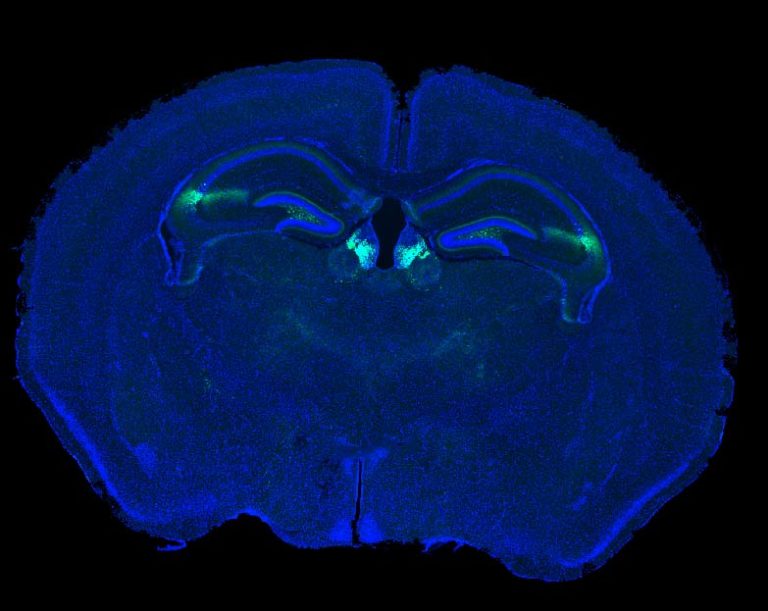
In ways that we do not yet understand, patterns of network activity in a part of the brain known as the hippocampus play an essential role in forming the memories of everyday experiences that shape who we are and guide our behavior.
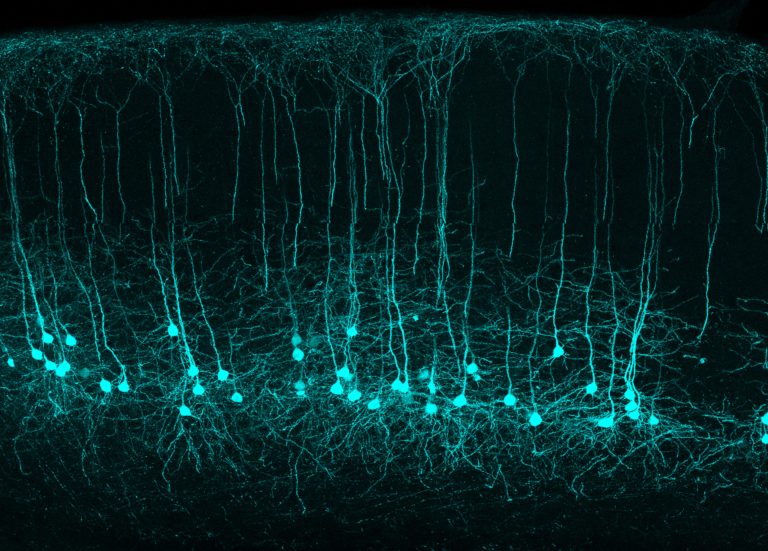
Max Planck scientists are using a combination of optical techniques to monitor the activity of specific classes of neurons in the hippocampus in behaving mice, revealing sequential patterns of activity that are thought to be the neural code for episodic memories. Further insights into the neural basis of memory formation are being pursued using powerful optogenetic techniques that allow light-controlled activation and inactivation of specific classes of neurons and testing the impact on the behavioral performance of a memory task. A fundamental understanding of the neural basis of memory formation is key for addressing the devastating consequences of memory disorders such as those found in Alzheimer’s disease.







Leave a Reply